In short
Carl comes in as a guest speaker. Schools can choose an all-school assembly, a parent night or both, and recovery programs agree the content with the host organization. The talks are educational. They are not treatment, therapy or counselling, and they sit alongside the supports a school or program already provides.
Who does Carl Nissen speak to?
Carl speaks to teens in schools, to students and their families, and to residents in recovery and treatment programs, always as a guest speaker. School administrators, student-wellbeing staff and program leads are welcome to enquire. Talks and workshops for children, teens and young adults also run in colleges and community groups through the youth and young adults program.
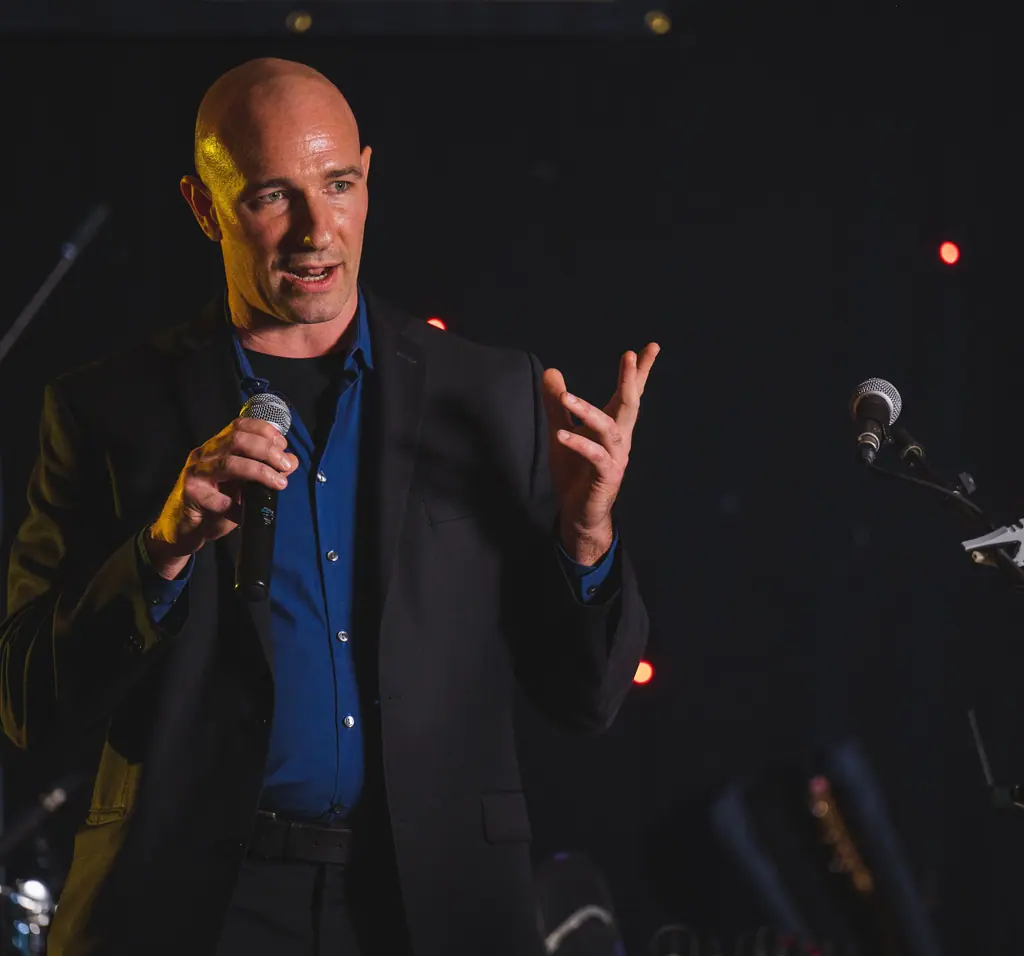
He is a motivational speaker and an ambassador for Caledon Community Services. He has been a guest speaker at its Christmas galas and at an Iron Workers meeting, and he trained directly with EHF founder Jinna van Vliet.
What formats can a school choose?
- All-school assembly. Between 20 minutes and 1 hour 15 minutes on being present and mindful: a personal story, a few simple practices and an invitation to notice how we use our attention.
- Parent night. An evening conversation for parents and caregivers about screens, gaming, attention and connection at home, with time for questions.
- Both together. An assembly during the day and a parent night in the evening, so students and families share the same language and conversation.
The details of each format are on the schools, colleges and universities page.
How does a talk work in a recovery program?
Carl is brought in to speak. Share the setting, the purpose and the timing of your enquiry, and the format is discussed with your organization so that the session fits the people attending and the arrangements already in place.
EHF Canada does not operate a recovery or rehabilitation program. Carl participates as a guest speaker, and the talk sits alongside the care and support that residents already receive.
What does a talk not do?
A note on scope
These talks are educational. They are not treatment, therapy or counselling, and they do not replace the supports your school, program and local services already provide, including addiction treatment.
We do not promise outcomes. Research on school mindfulness programs for teens shows mixed results, and we take that seriously. What a talk offers is a shared experience: a common language, a pause in the day and a conversation that students and parents can carry on.
After a session, we can offer an optional, anonymous student feedback survey and share the results with your school, so you can decide what is useful and what to do next.
How do we plan a talk?
Start with a call. Tell us who the audience is, where the talk will happen and when, and we will agree the format with you. Book a call. If your organization is also weighing a day for staff, read what a corporate wellness day looks like.